Latest News from Everycare
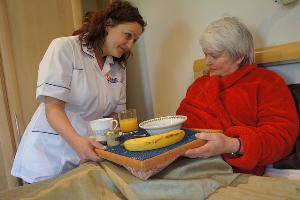
A report produced by a range of organisations including the Association of Palliative Medicine and Marie Curie Cancer Care say there is a lack of specialist end-of-life care in England, causing acute suffering.
The care report states that individuals dying from complex conditions like cancer, dementia and heart and liver failure often need support from a range of professionals – but are unfortunately not receiving it.
Specialist end-of-life care requires teams of professionals, including doctors, nurses, social workers, psychologists and care workers to work together. As a group these professionals are able to manage pain and discomfort ensuring that a patient receives care and support during these difficult times.
The report also suggested support can also reduce costs to the NHS by keeping people out of hospital.
If you would like to find out more information on how Everycare can assist with palliative care in the home please call us today.
For more information on this story click here

During a parliamentary debate on dementia care, Norman Lamb MP, Minister for Care Services, showed support for a new dementia strategy for England.
The National Dementia Strategy, which was published in 2009, expires in April this year, and Alec Shelbrooke used the debate to call for “a new national dementia strategy, with guidance for commissioners of health and social care, GPs, hospital trusts, care homes, and others.”
The debate in the House of Commons on Tuesday was tabled by Conservative MP Alec Shelbrooke and highlighted the urgent need to address how the UK will cope with an ageing population and increasing dementia rates.
Shelbrooke stated that the Office for National Statistics had provided the following information about the ageing population
- By 2030 the number of people entitled to draw a pension will be 15.6 million,
- Of whom more than 3 million will be over 85
- Over 1 million people will be living with dementia by 2021, up from 800,000 today.”
For more information on this story click here
Two leading figures supporting the Alzheimer’s Society have been honoured in the New Year Honours list.
Actress Lynda Bellingham (famous as the Oxo Mum!) has been awarded an OBE in recognition of the charitable work she has done for the charity during the seven years she has been its ambassador.
A British Empire Medal (BEM) has been awarded to 72-year-old Trevor Jarvis who was diagnosed with vascular dementia in 2001 and has since gone on to be an influential member of the Prime Minister’s Challenge on Dementia. He has been recognised for his work promoting dementia-friendly cities.
In addition to the above Welsh actress and supporter of Alzheimer’s Society Ruth Jones was awarded an MBE for her work in the entertainment industry. Miss Jones has spoken out about her own family experiences with dementia.
The Office of National Statistics has reported that the number of people aged 85 and over has risen over 25% since 2001 – now up to 1.25 million.
In addition the number of over 85s who provide unpaid care (often for a child) has also doubled since 2001. Many over 85s now have children in their 60’s who are dependent on a carer and often it is their ageing parent who has to take responsibility for this care! The problem is compounded because fewer older people are now entitled to local authority support which means that more elderly people have to provide care for their “older” children.
Whilst of course most parents would undoubtedly see this as something they would do for their child, the physical and emotional toll of providing care for over 50 hours a week, would be very difficult for most to cope with.
Most people over 85 live in their own homes – only 1 in 10 men and 1 in 5 women live in a residential care home. Many of those living at home do so through the support of home care companies like Everycare which allow individuals to keep their independence.